I'm a high school student in Irvine, California, and I love using code to solve real problems. GreenLaunch is my app for sustainable small businesses. It's free on the App Store and right here on the web.
Every small business runs on a thousand small decisions. Which packaging should we use? Is bamboo actually better than plastic? Where can a café recycle its glass? When I started looking into these questions, I noticed something: the "green" answer was almost always the hardest one to find. For an owner already juggling customers, staff and cash flow, that usually means it gets skipped. I wanted to change that, so I built GreenLaunch.
The problem I wanted to solve
One small business doesn't look like it has much impact. But together, small and medium-sized businesses (SMEs) have a huge footprint.
As I read more, I kept seeing the same thing: owners want to make better choices, but trustworthy information is scattered, technical, or buried under greenwashing, the vague eco-claims that make it hard to tell what's actually sustainable. And most green apps I found focus on personal habits like carbon tracking, not on the everyday decisions a business owner actually makes.
I didn't want going green to be the hardest option. I wanted it to be the easiest one. Arianna Lai
What I built
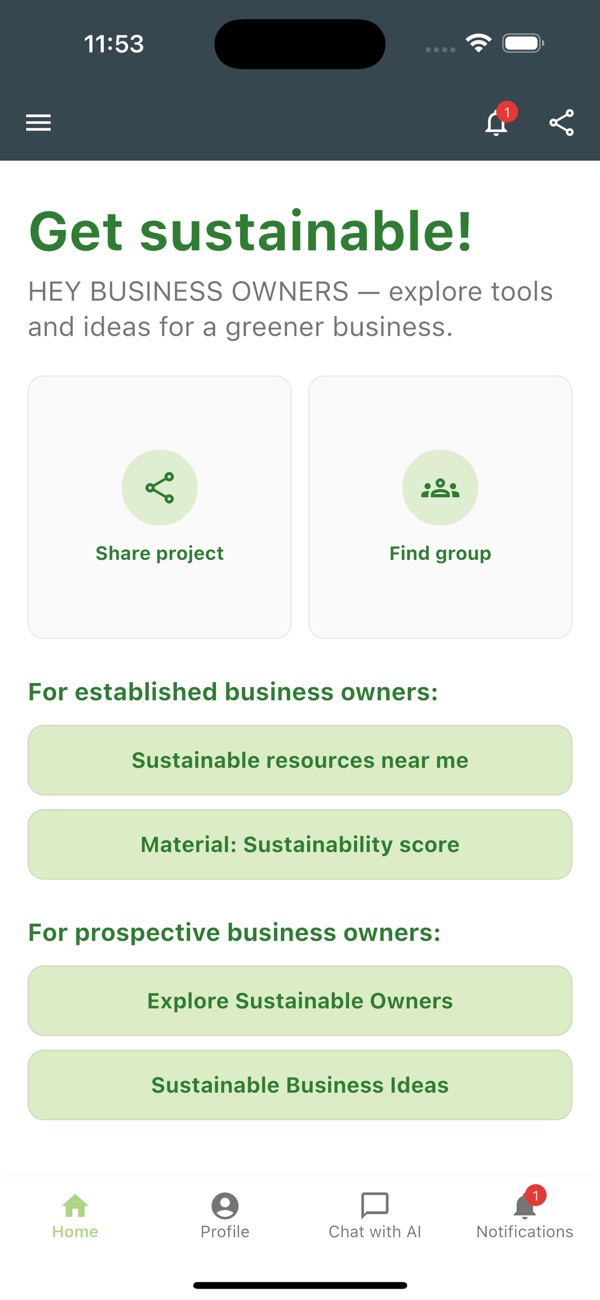
GreenLaunch puts the three things a green entrepreneur needs side by side, in one app.
- A curated materials database. I gave materials like bamboo, hemp, cotton, glass, plastic and concrete a 1–10 sustainability score, with a plain-language explanation and reference links, shown on a red-to-green gauge.
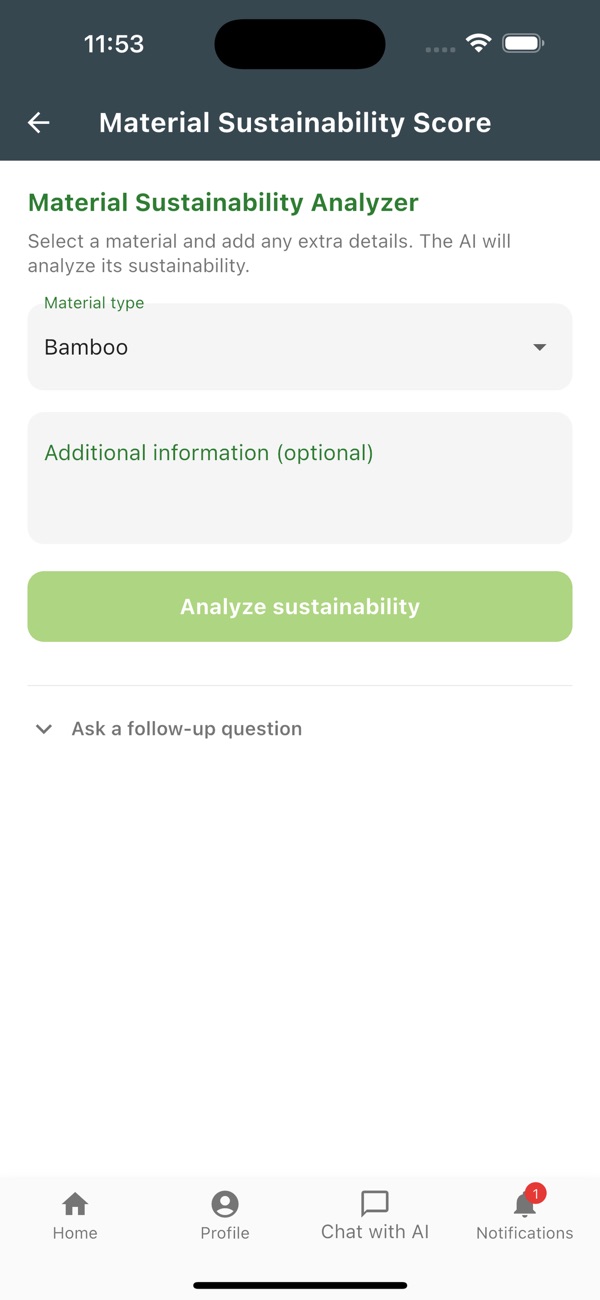
- An AI Sustainability Analyzer. You can add details like "recycled" or "locally sourced" and get a structured eco-evaluation with recommendations, even for materials that aren't in my database.
- A map of sustainable resources near you. Recycling centers, organic stores, thrift stores, farmers markets and eco-friendly shops within 5 miles of you, color-coded by type.
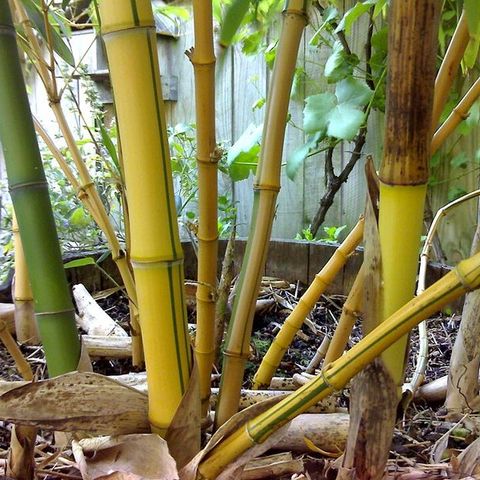 Bamboo9/10
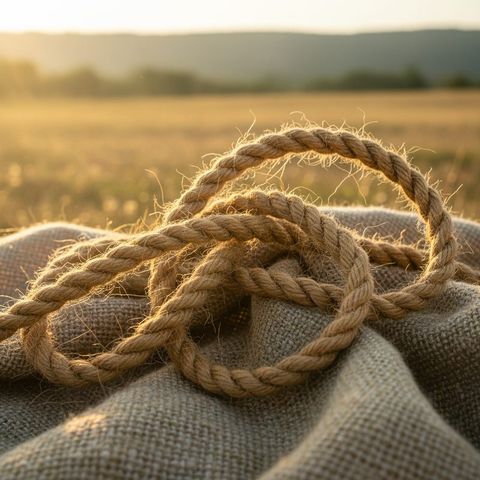 Hemp9/10
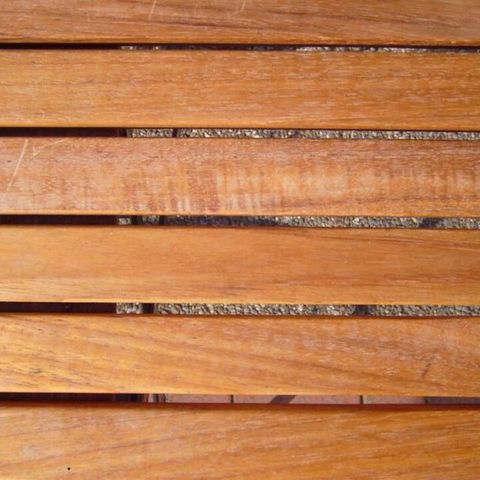 Wood7/10
 Glass7/10
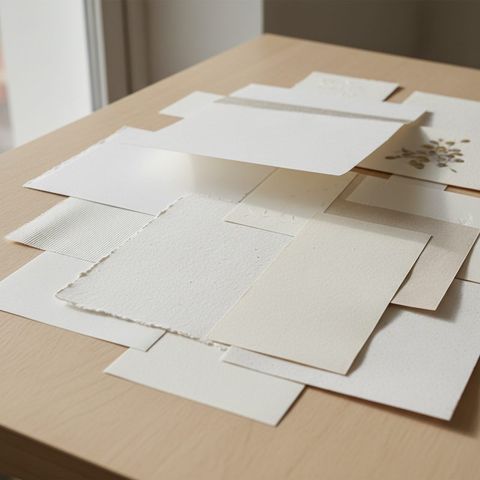 Paper6/10
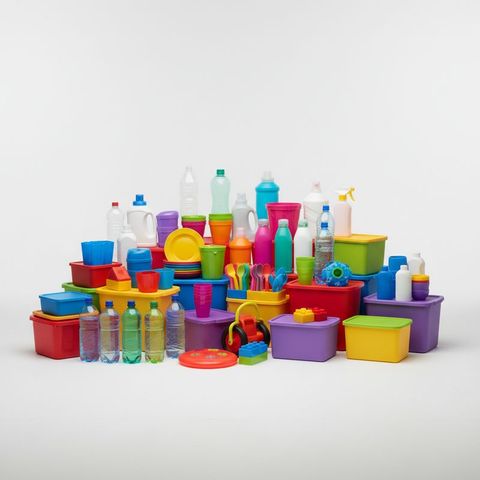 Plastic2/10
Does the AI actually get it right?
An AI that confidently gives the wrong score would be worse than no AI at all, so I tested it. I compared its ratings with my curated database for seven common materials (Cotton, Recycled Cotton, Plastic, Glass, Metal, Paper and Clay), running each one five times.
Average difference between the AI and my curated ratings on a 1–10 scale. Cotton, Metal and Paper matched exactly; the biggest gap was Plastic at 0.6.
One result really surprised me. In an early test, I removed the instruction telling the AI to put its rating on the first line, and it left out the number in 40% of its answers. That taught me how much careful prompt design matters, and why I pair the AI with human-curated data instead of trusting it on its own.
Will it find anything near me?
A resource map is only useful if it actually has something on it. So I opened the map in five cities with different densities and counted what it found within about 6 miles (10 km).
Sustainable resources found within about 6 miles
Average across Los Angeles, London, Austin, Boston and Plano. London returned the most results and suburban Plano the fewest. Recycling centers (avg. 14.8) and organic stores (avg. 16.0) were the most common finds.
Even the quietest location had dozens of options. Plano surprised me: it returned only four farmers markets and three eco-friendly stores. My guess is that fewer small businesses there are tagged with sustainability keywords online, not that they don't exist.
Made for beginners, too
I didn't only want to help established businesses. For people who are just starting out, I added a step-by-step beginner checklist covering planning, sourcing, operations, packaging, marketing and tracking; 18 curated articles from sources like Shopify, NerdWallet and LegalZoom; and an AI eco tip of the day.
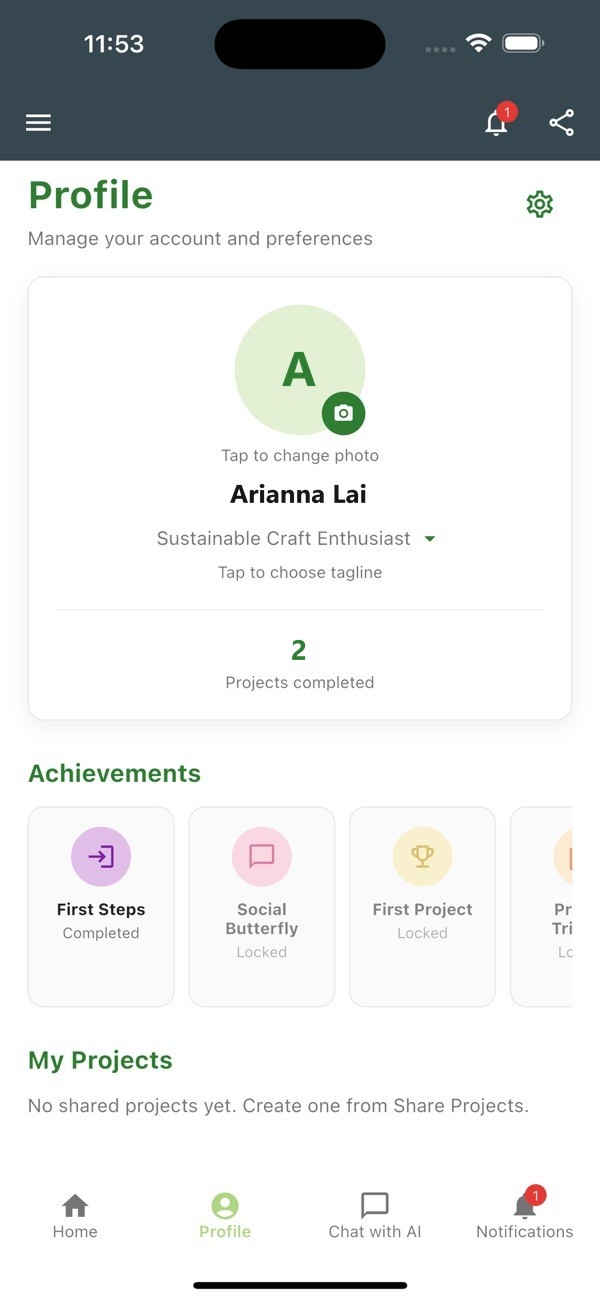
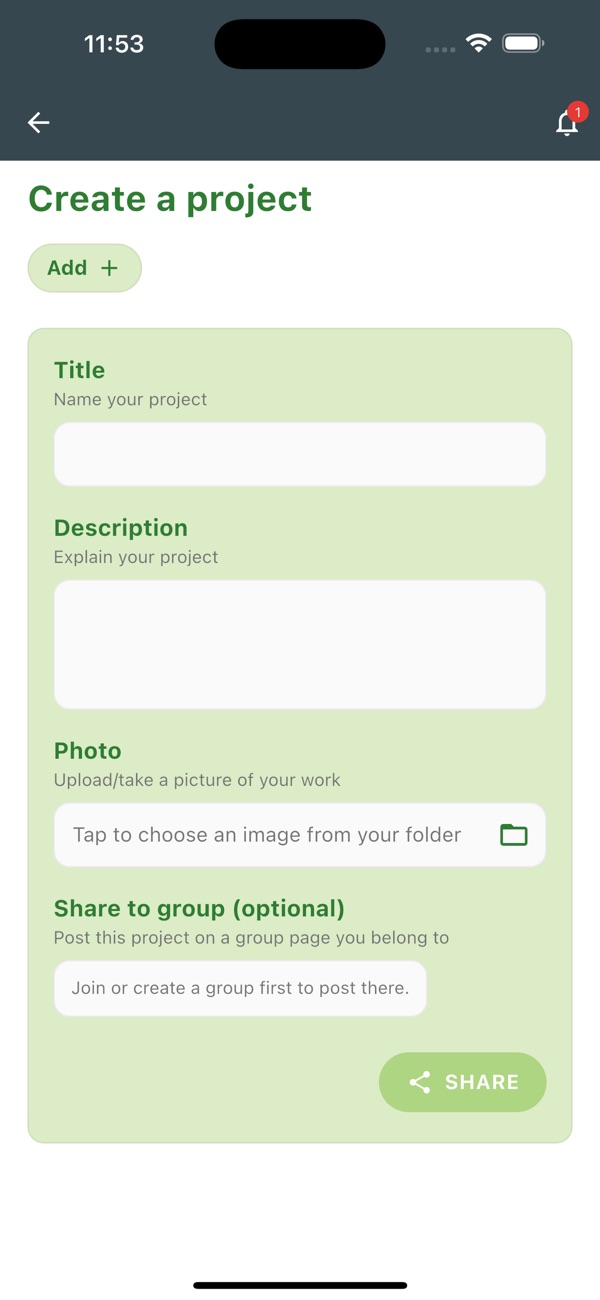
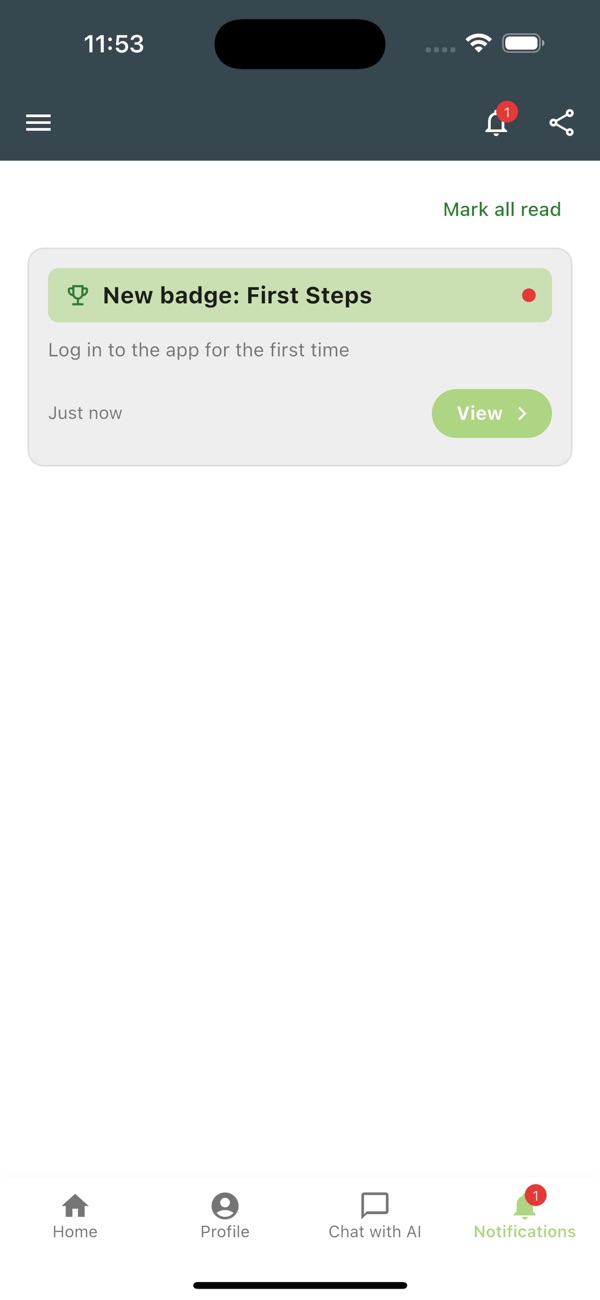
I also wanted it to feel like a community. You can share your sustainability projects, comment on others' work, find and join local eco groups, and earn achievements toward an overall eco grade. And if you just want to look around first, you can browse as a guest in your web browser, with no sign-up needed.
How I built it
I built GreenLaunch with Flutter, so one codebase runs on iPhone, iPad and the web. Firebase stores the curated data and community posts and handles accounts; OpenAI's GPT-4o-mini powers the analyzer, summaries and daily tips; and Google Maps and Places drive the resource map. Along the way I learned how a full app fits together, from the screens you tap to the cloud database behind them, and what it takes to publish a real app on the App Store.
- Price
- Free
- Platforms
- iPhone, iPad, web
- Best for
- Small business owners and founders
- Made by
- Arianna Lai
Highlights
- Curated ratings plus AI for anything else
- AI agrees closely with the curated scores
- Finds dozens of local green resources
- Try it in the browser as a guest
Coming next
- More materials, plus translations
- Saved AI analyses for instant results
- Automatic moderation for the community feed
- Custom search categories on the map
What I'm working on next
GreenLaunch isn't finished, and I know where it can grow. The materials database is still small and English-only, the community feed relies on people reporting problems, and the map searches five fixed categories. Next, I want to add and translate more materials, save AI analyses so the next person sees results instantly, add automatic moderation, and let you choose your own map categories. Most of all, I want to test it with real entrepreneurs and find out whether it changes the decisions they make.
Thanks for reading
Building GreenLaunch taught me a lot about coding, but also about persistence: things broke all the time, and I learned to solve problems one small piece at a time. If you run a small business, or dream of starting one, I'd love for you to try it and tell me what you think.
Arianna
Pollution statistics: Purwandani & Michaud (2021); Álvarez Jaramillo et al. (2019).